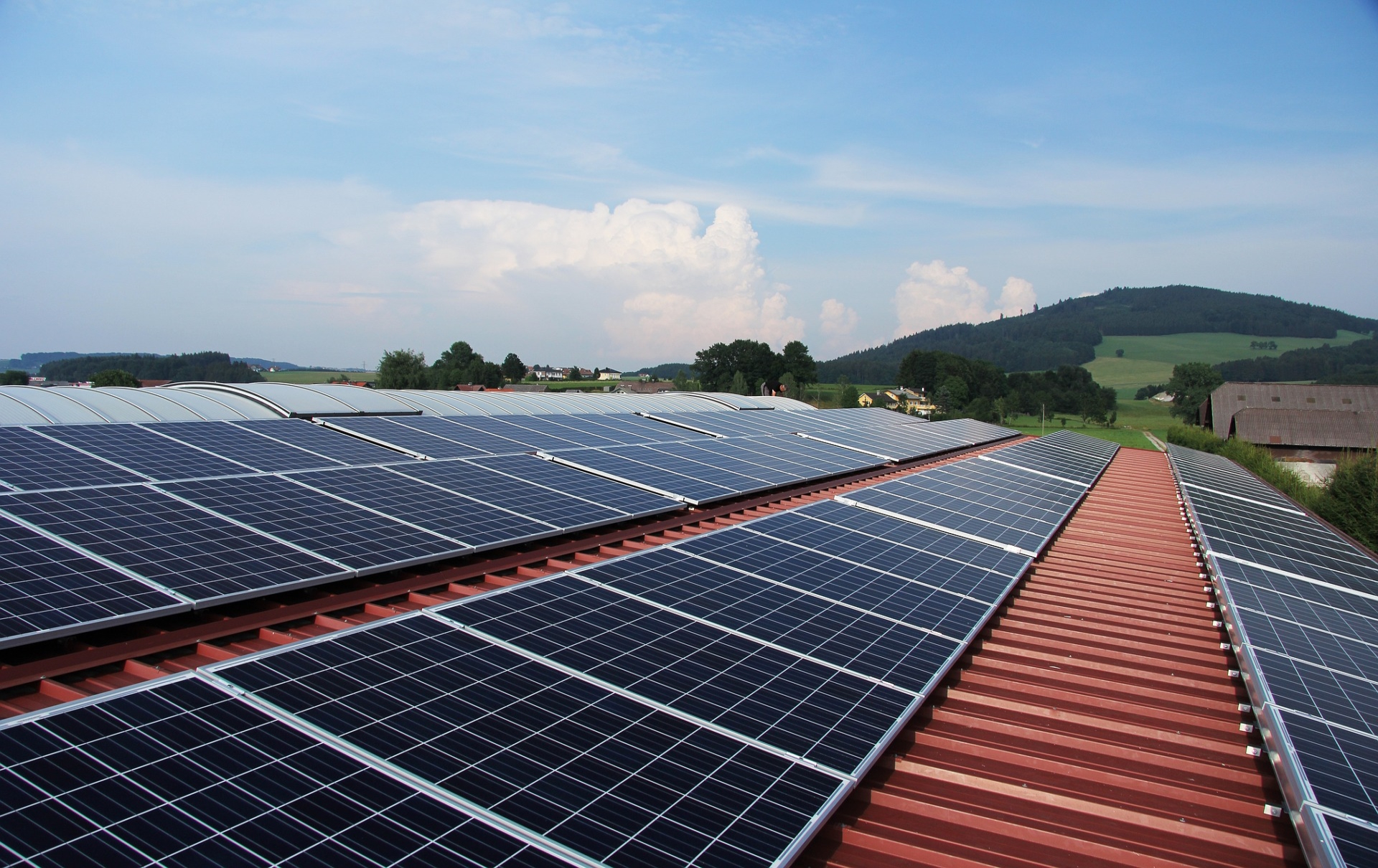
Solar rooftop systems are becoming an increasingly popular way for homeowners and businesses to generate their own electricity and reduce their reliance on the grid. These systems consist of solar panels installed on the roof of a building, which convert the energy from the sun into electricity that can be used to power the building or sent back to the grid.
One of the main benefits of solar rooftop systems is their ability to significantly reduce energy costs. By generating their own electricity, homeowners and businesses can greatly reduce or even eliminate their monthly utility bills. Additionally, many states and local governments offer financial incentives for those who install solar systems, such as tax breaks or rebates.
Another major benefit of solar rooftop systems is their environmental impact. Solar energy is a clean and renewable resource that does not produce any greenhouse gases or other pollutants. This means that by installing a solar system, homeowners and businesses can greatly reduce their carbon footprint and contribute to the fight against climate change.
There are a few different types of solar rooftop systems available, including grid-tied, off-grid, and hybrid systems. Grid-tied systems are connected to the power grid and can send excess energy back to the grid for credit. Off-grid systems are not connected to the grid and are typically used in remote locations where grid access is not available. Hybrid systems combine elements of both grid-tied and off-grid systems, and can switch between the two depending on the user’s energy needs.
Overall, solar rooftop systems are a great way for homeowners and businesses to reduce their energy costs and environmental impact. With the cost of solar technology continuing to decrease and government incentives becoming more widely available, it is becoming an increasingly viable and cost-effective option for many.